
Push Beyond Every Frontier
The ultimate space fitness odyssey. Slash astronaut workouts from 2+ hours to 30 minutes with compact flywheels, HIIT protocols, passive exosuits, and AI-driven personalization. Arrive on Mars ready to run, build, and thrive.
Space is Breaking Astronauts
In microgravity, astronauts lose 1-2% bone density and up to 20% muscle mass over six months. Current ISS protocols demand 2.5 hours of daily exercise — time that could be spent on mission-critical work.
Daily Workout Time
Equipment Volume
Bone Density Loss
Muscle Atrophy Rate
Personalization
Four Pillars of xFit Odyssey
A multi-modal approach that combines hardware, software, wearables, and artificial gravity research into one unified fitness ecosystem.
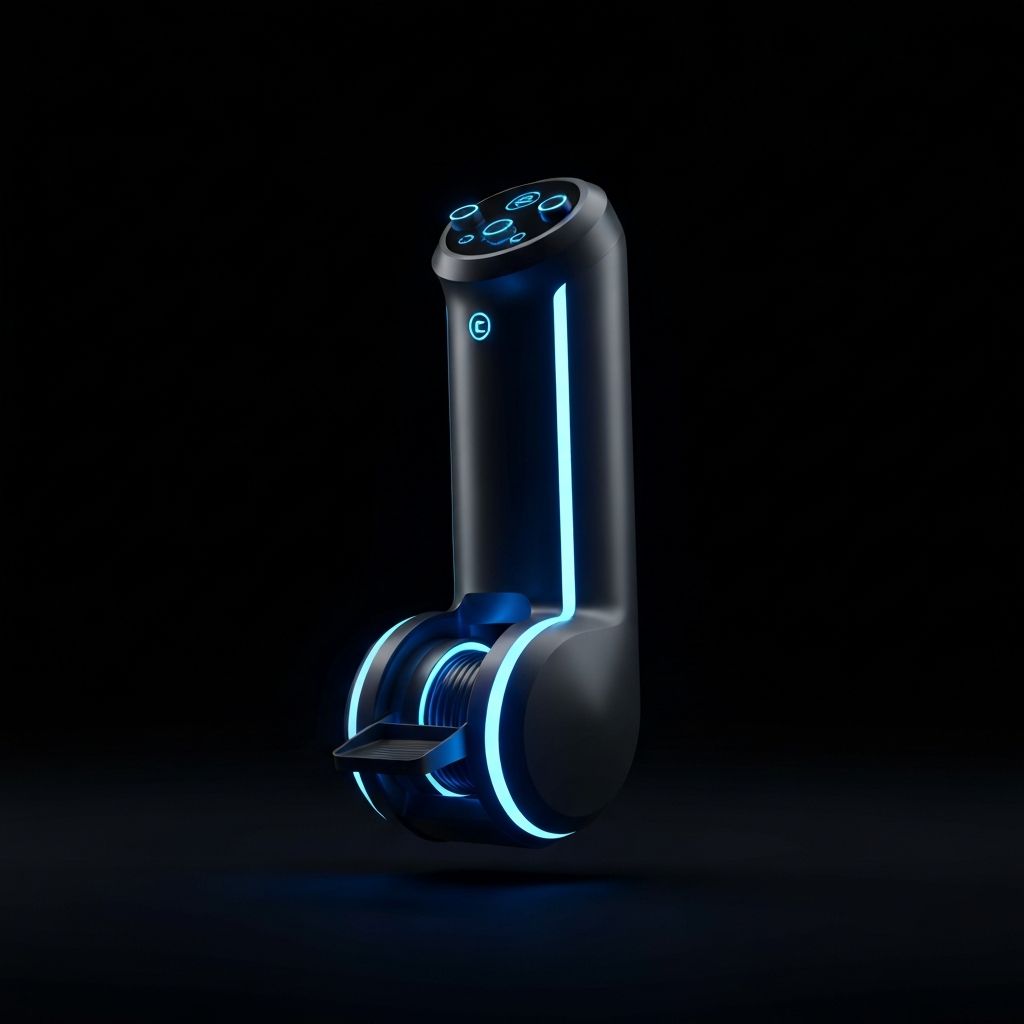
Concept Render
The xFit Odyssey Multi-Axis Flywheel System
Compact Flywheel Devices
All-in-one resistance systems using advanced flywheel inertia technology. Replaces 6+ ISS machines in a single unit the size of a carry-on, delivering eccentric overload that maximizes muscle and bone stimulation in microgravity.
HIIT Protocols
Science-backed high-intensity interval training adapted for space. Sprint-style cycling and resistance supersets compress 2.5 hours of steady-state into a 30-minute blast that preserves cardio, bone, and neuromuscular function.
Passive Exosuits
Wearable resistive garments that load muscles 24/7 during daily tasks. Elastic bands and smart textiles simulate partial gravity, providing continuous low-level stimulation without conscious effort — exercise while you work.
AI Personalization
Machine-learning algorithms that adapt workouts in real-time based on biometric data. Tracks bone density markers, muscle electromyography, sleep quality, and mission stress to optimize every rep for each crew member.
Artificial Gravity Hybrids
Rotational habitat modules and short-radius centrifuges that simulate partial gravity during sleep or rest periods. When combined with active training, this creates the most complete deconditioning prevention system ever conceived for deep space.
Data-Driven Revolution
Grounded in NASA analog studies, ESA research, and cutting-edge exercise science. Here is the projected mission-day time reallocation.
+67%
More Research Time
Per crew member per mission day
1,460
Hours Reclaimed
Over a 2-year Mars transit round trip
4-6
Crew Members
Supported by a single compact system
$2.1M
Launch Cost Saved
From reduced equipment mass per mission
Supporting Research
NASA SPRINT Study
High-intensity, low-volume exercise protocols maintained astronaut fitness with 50% less time than traditional programs.
Journal of Applied Physiology, 2016
ESA Flywheel Research
Flywheel-based eccentric exercise provided superior bone and muscle protection compared to conventional resistance training in bed-rest analogs.
European Journal of Applied Physiology, 2019
MIT Exosuit Trials
Passive resistive garments worn during daily activities provided measurable muscle preservation equivalent to 45 minutes of targeted exercise.
Nature Biomedical Engineering, 2021
Visualizing the Mission
Concept art and mission projections for a future where humanity arrives on other worlds at peak physical readiness.
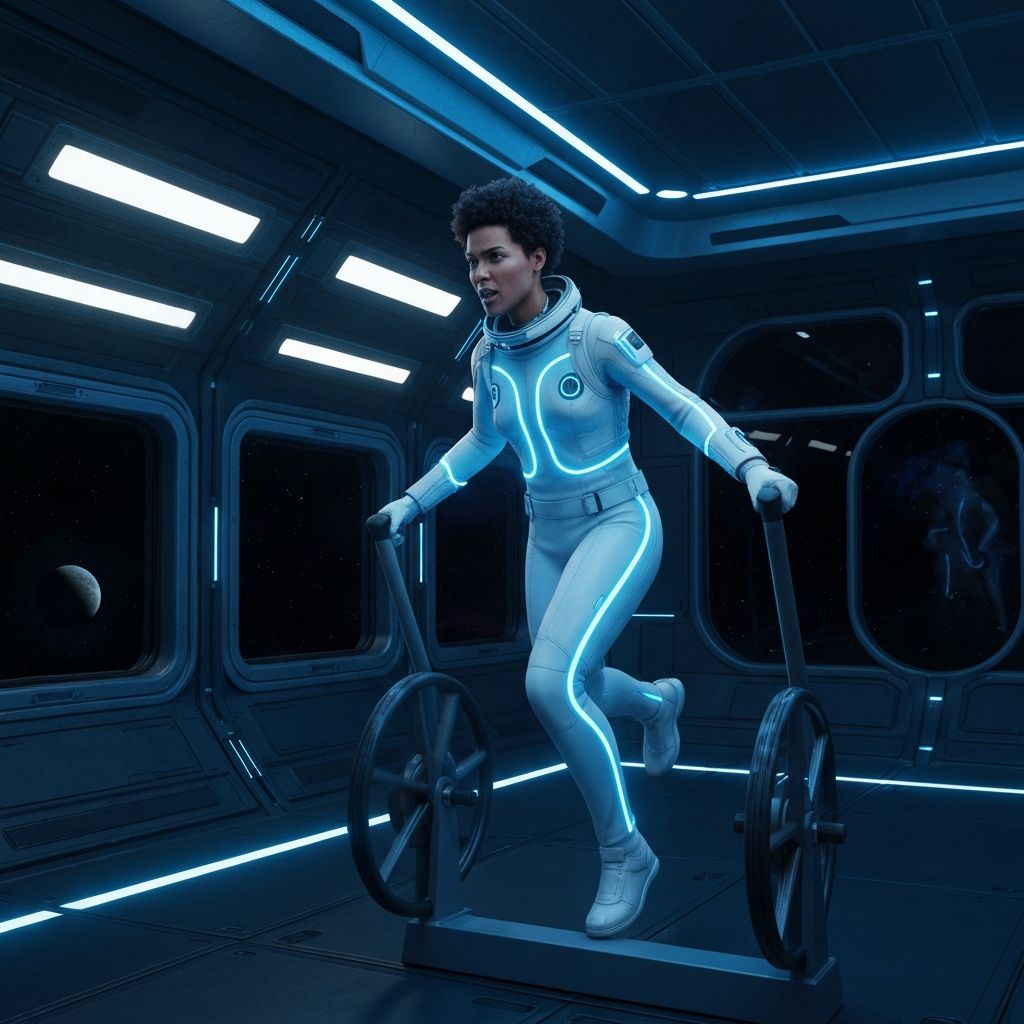
Training in Transit
Astronauts performing 30-minute high-intensity sessions in custom-built fitness modules during the 7-month Mars transit.

Mars-Ready Arrival
Crews stepping onto the Martian surface fully conditioned — ready to build habitats, conduct experiments, and explore from Day 1.
Roadmap to Mars
Phase 1: Prototype
Complete flywheel device v1 and passive exosuit prototype. Begin NASA analog bed-rest studies.
Phase 2: ISS Testing
Deploy xFit Odyssey system on ISS for real microgravity validation with active crew members.
Phase 3: Gateway Integration
Install full xFit Odyssey ecosystem on Lunar Gateway for deep-space mission simulation.
Phase 4: Mars Transit
xFit Odyssey powers the first crewed Mars mission — astronauts arrive at peak performance.
Be Part of the Interplanetary Fitness Revolution
Whether you are an engineer, researcher, space agency, or visionary — this mission needs you. Join our community to stay informed, collaborate, and help shape the future of human spaceflight.
Contact Us
Reach out for partnerships, research collaborations, or media inquiries.
hello@xfitodyssey.spaceOpen Source
Our AI training algorithms and protocol research will be open-sourced for community contribution.
Coming SoonWhitepaper
Read our technical whitepaper on the complete xFit Odyssey system architecture and research basis.
Download PDF